WE
BRING
THE
MILL.
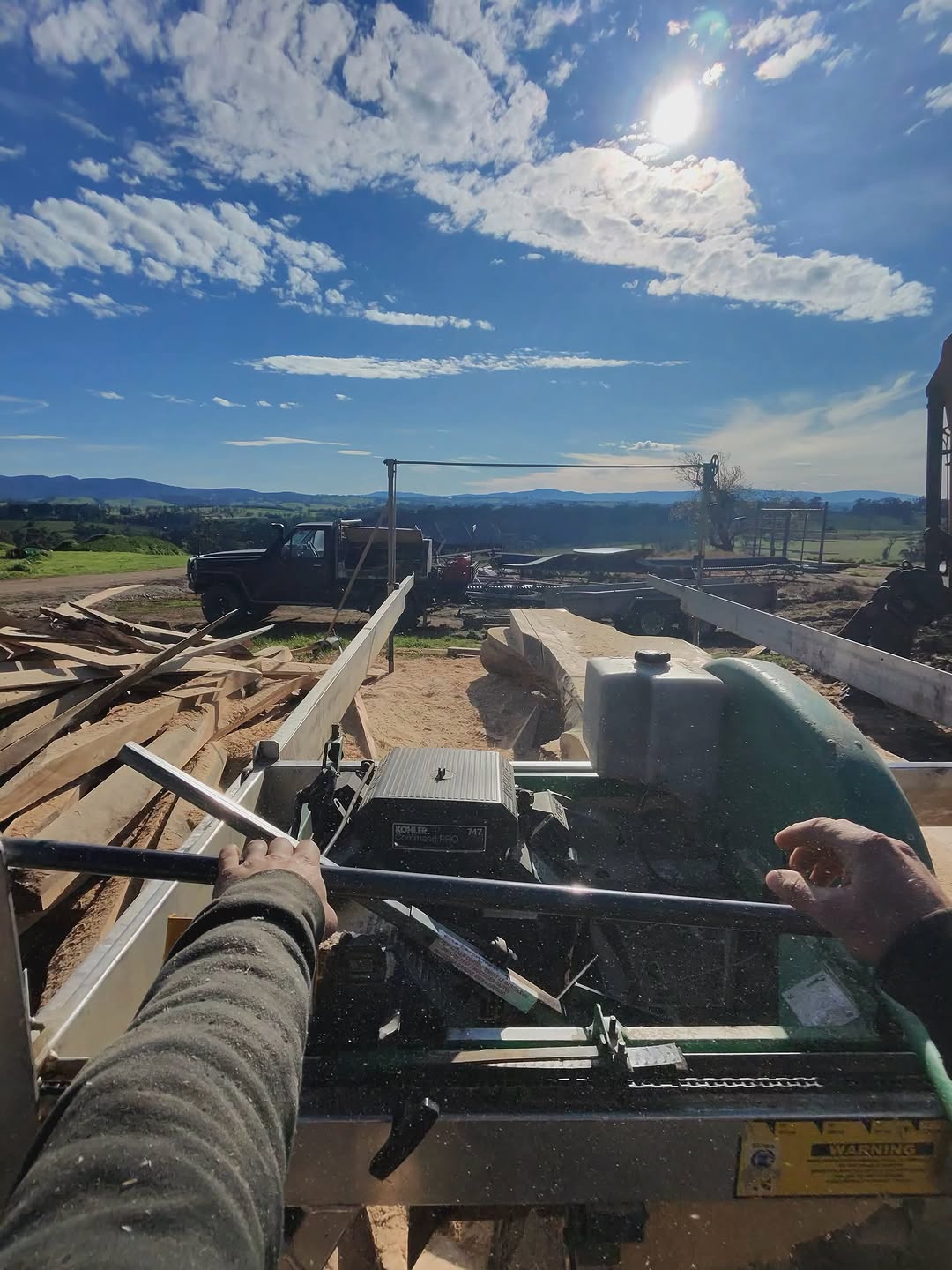
Got a fallen tree, a cleared paddock, or a farm icon that deserves better than firewood? We haul the Lucas Mill to your place and cut it into the timber you actually want — right where it fell.
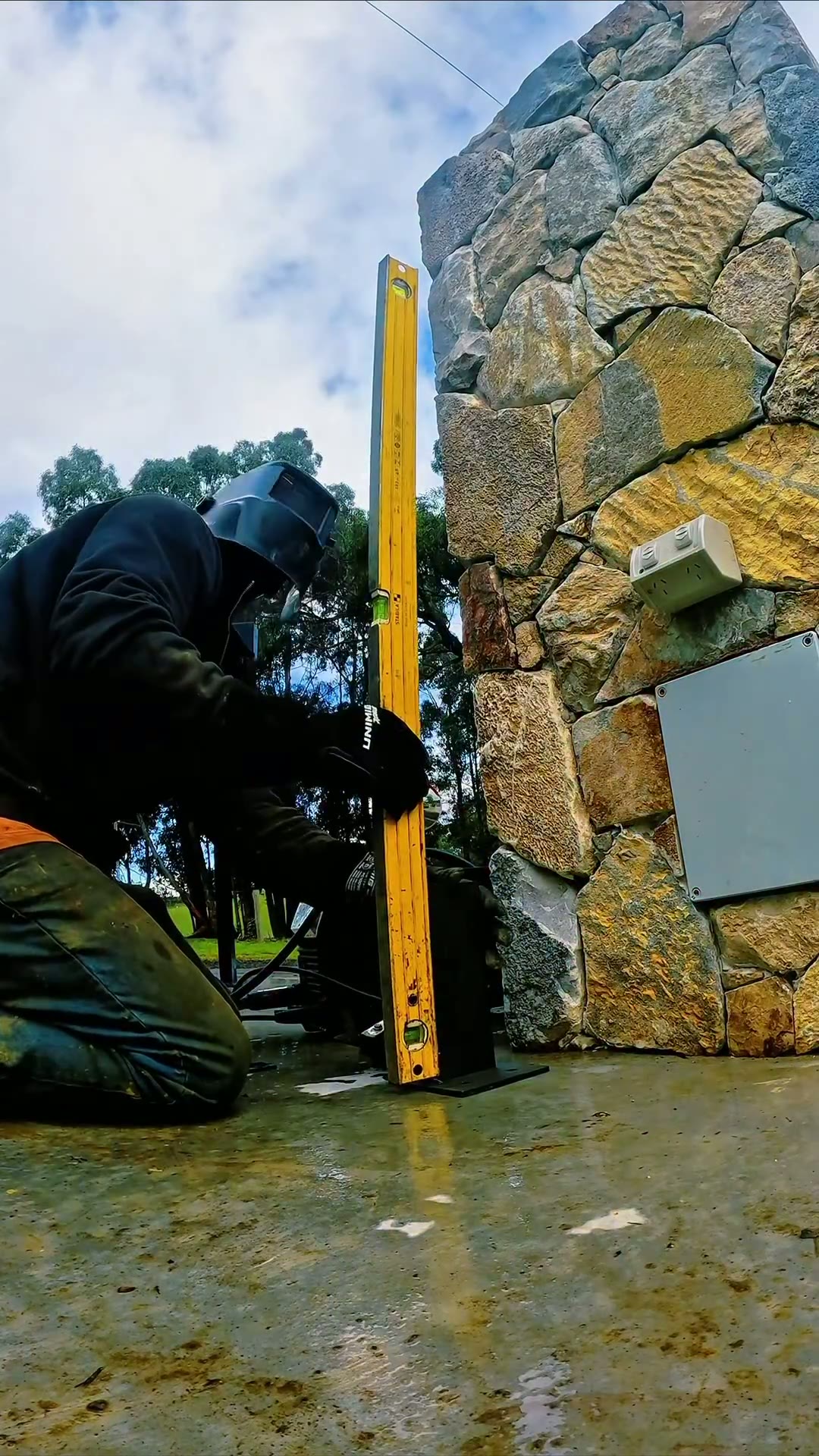
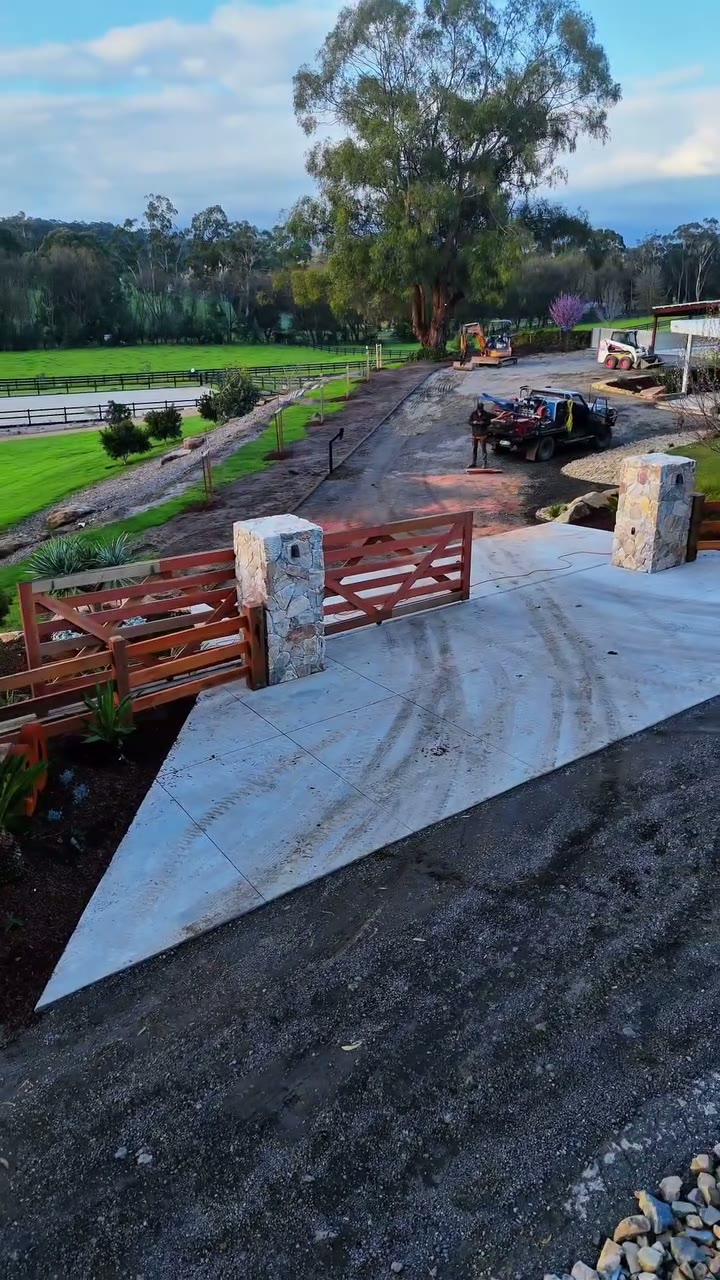
WATCH A JOB, START TO FINISH
Real call-outs, real timber. More on Instagram @cosjack_timber
WHAT WE
CAN CUT
On site we run a Lucas Mill 10-30 — here's what it's capable of.
Dimensional timber
Any size between 250mm high and 500mm wide — ideally 250×250 or under for the most efficient cut. Lengths out to 7m, though straight cuts get tricky past 5.4m, so 5.4m barrels and below are ideal. We can shift the cut dimension as logs open up and work to a cut list with you.
Slabs
Up to 1.25m wide and 160mm thick. Swapping the mill between slab and dimensional cuts takes 10–15 minutes — handy to know when you're planning your list.
WHY MILL IT
WHERE IT FELL
No carting costs or damage
No truck, no crane — big hardwood stays put and gets cut where it lies.
Cut to your list
Dimensional, slabs, or a mix — and we can adjust the cut as logs open up.
Keep the tree's story
Storm-fallen or a farm icon — milled on your ground, the timber stays yours.
Drying before we leave
Stickered and strapped into packs on site, ready to dry where they stand.
FROM
LOG TO LUMBER
RECENT
CALL-OUTS
Tap to play
STRAIGHT-UP RATES
All rates per hour, plus GST. Text first — we'll scope your job.
+ $60/hr for a labourer on any setup. Float charged when more than the mill travels. Final setup and quote confirmed with your cut list before the mill arrives.
WHAT WE NEED
ON THE DAY
A tap is ideal — we carry 50m of hose
Mill footprint is about 7m × 3m
Vehicle access helps, but we can walk the mill in
PREPPING
YOUR LOGS
Not ready to book yet? A little prep now protects your timber and lifts your yield.
- Seal the end grain. A specialised end-grain sealer is best; ordinary house paint works fine for one-off logs.
- Leave room when bucking. If you're cutting logs to length yourself, allow a few hundred mm extra for end-split wastage.
- Keep them off the ground. Stack logs clear of the dirt — airflow stops rot and keeps the sapwood sound.
USING
YOUR TIMBER
What happens after the saw stops — and how to get the most out of your timber.
- Racked for drying as it comes off. Sticks between rows for airflow, then banded into packs with metal straps to limit movement. Our sawyer talks pack sizes through with you on site.
- Store out of direct sunlight. Good airflow matters — tin and shadecloth both work well.
- Slabs need about two summers to reach low, stable moisture. Some movement is expected, so we cut oversize.
- Dimensional drying time varies with size and end use.
- Grading & dressing. We can grade timber for building (e.g. F17) straight off the mill, but the rating is far lower than grading 12 months after cutting — “unseasoned” vs “seasoned.” Once it's dry, we can help get it dressed.
GOT A WINDFALL?
LET'S MILL IT.
Have your species, log count and rough sizes ready — it speeds up the quote. The form opens as a text message, straight to Jack.